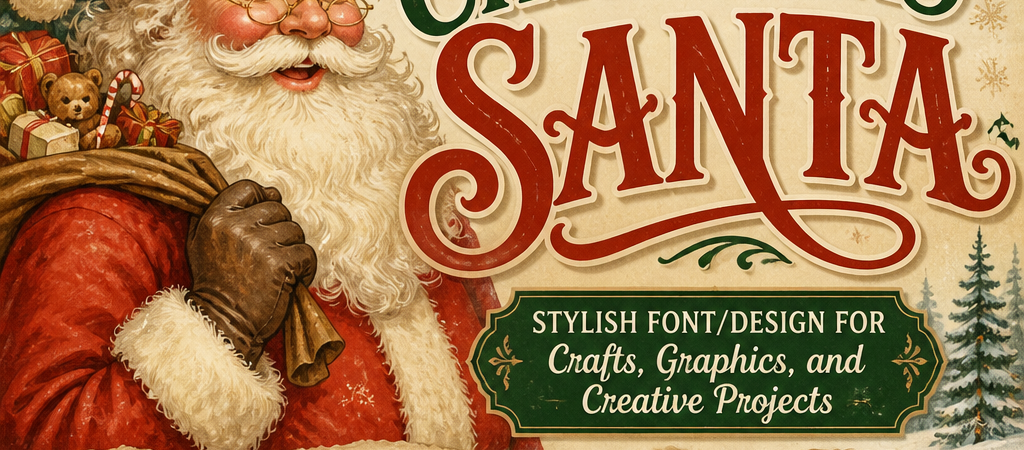
Creative projects often begin with a single image that sparks an idea. In the world of digital design and printable artwork, a versatile illustration can become the starting point for handmade gifts, home décor, scrapbooking layouts, party details, and social media graphics. When a design is clean, adaptable, and visually striking, it becomes more than just artwork—it becomes a creative tool. For more inspiration, browse the Categories page on Creattive.
This article explores how printable and digital art can inspire DIY projects, decorative accents, and thoughtful handmade pieces. Whether you are a crafter, a designer, a small business owner, or someone who simply enjoys making things by hand, understanding how to use artwork creatively can open up many possibilities. From wall art to gift tags, from journaling to seasonal décor, the right design can easily become part of your next project.
What Makes Digital Artwork So Useful for Creative Projects
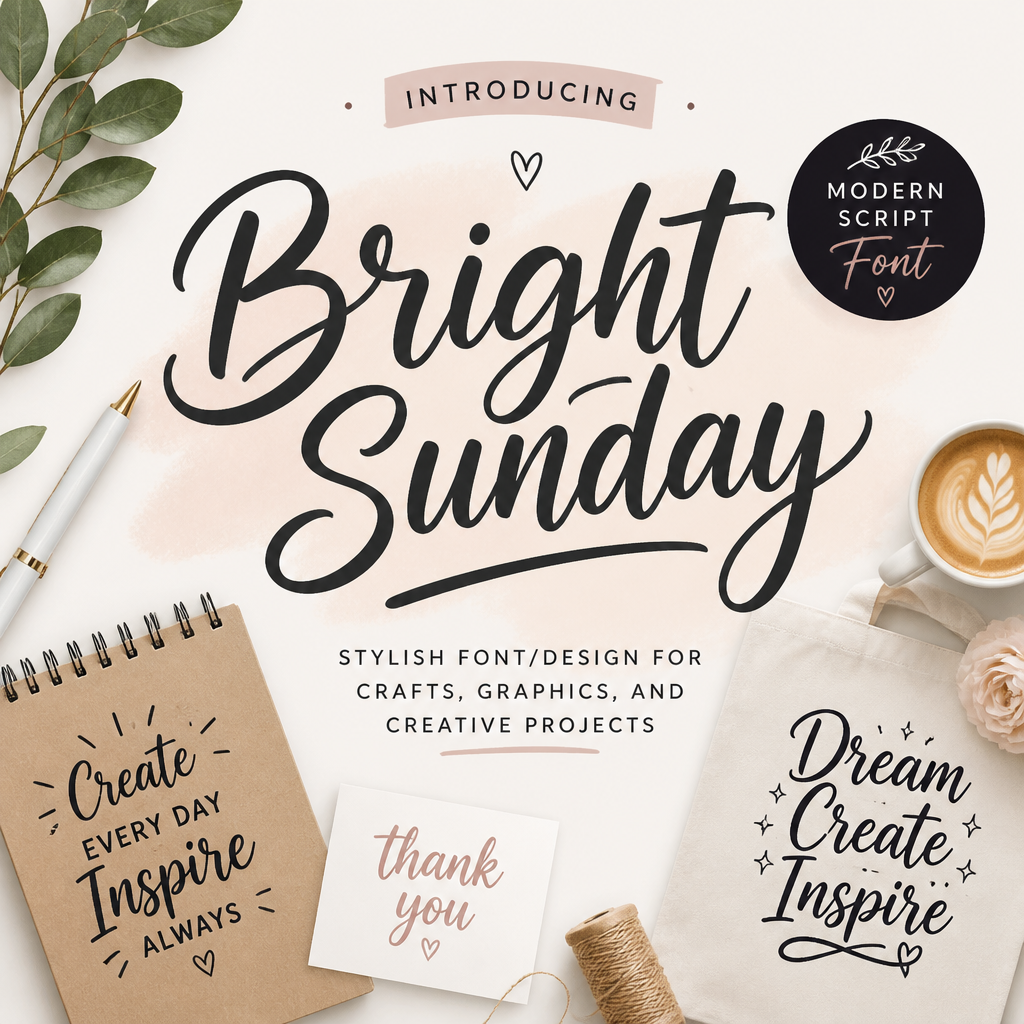
Digital artwork has become a favorite resource for makers because it offers flexibility. Unlike physical materials that may be limited by size or format, digital designs can often be adapted into many different uses. A single illustration can be printed, resized, framed, layered into a collage, or incorporated into a craft project.
For creatives who enjoy personalized details, this flexibility is especially valuable. You can use digital artwork in:
- Printable wall décor
- Greeting cards and invitations
- Scrapbooking pages
- Journal spreads and planner inserts
- Gift wrapping and tags
- Party decorations
- Handmade stationery
- DIY home accents
The appeal lies in how easily one image can be transformed into something personal. A simple design can become a centerpiece for a handmade gift or a subtle accent in a larger creative layout. It allows crafters to focus less on creating every visual element from scratch and more on composing a finished piece with style and intention.
Why Style Matters in Printable Art
The visual style of artwork influences the mood of any project. Some designs feel modern and minimal, while others are playful, rustic, elegant, or whimsical. Choosing artwork with the right tone helps the final project feel cohesive.
For example, a bold illustration can add energy to a poster or framed print, while a softer design may be better suited to a nursery wall piece or a calm journal page. Line quality, color choices, and composition all play a role in how the design can be used.
When selecting artwork for creative projects, consider:
Color palette
The colors should work with the rest of the project. Neutral tones blend well with many décor styles, while bright colors create stronger visual impact.
Line style and detail
Simple artwork is often easier to use across multiple craft formats. More detailed designs can add richness and texture when printed at a larger size.
Overall theme
A design may suit seasonal décor, everyday inspiration, or special events. Matching the theme to the purpose makes the final result more polished.
By paying attention to style, makers can turn a single artwork into multiple cohesive projects without losing visual harmony.
Creative Ways to Use Printable Artwork
Printable art is one of the most versatile tools in a crafter’s toolkit. It can be used in both decorative and functional ways, which is why it remains so popular among DIY enthusiasts.
Framed Wall Art for Home or Office
One of the simplest ways to use digital art is to print it and display it in a frame. This works well for desks, shelves, gallery walls, craft rooms, and home offices. A framed print can add personality to a space without requiring a large decorating budget.
For a handmade touch, consider placing the print in a frame that complements the artwork’s style. A minimalist design may look best in a clean white or black frame, while a softer or more rustic image could suit wood tones or vintage finishes.
You can also create a themed grouping by pairing several prints together. This works especially well for a gallery wall or a seasonal display.
Scrapbooking and Memory Keeping
Printable illustrations can bring visual interest to scrapbook pages and memory journals. They can be cut into shapes, layered behind photos, used as page accents, or turned into themed embellishments.
For example, a design can be printed on matte paper and trimmed into smaller pieces for layering. It can also be used as a background element behind photos, journaling cards, or handwritten notes. This is a great way to add color and style while keeping the page personal.
Memory keeping becomes more meaningful when artwork supports the story of the page. Whether documenting a celebration, a family trip, or everyday moments, printable art adds a finished look without overpowering the memories themselves.
Handmade Gifts with a Personal Touch
Printable artwork can also be turned into thoughtful gifts. A custom-looking present often feels more meaningful than something store-bought because it shows time, effort, and creativity.
Some easy DIY gift ideas include:
- Framed mini prints
- Handmade greeting cards
- Personalized bookmarks
- Decorative gift tags
- Printed labels for jars or packages
- Journal covers or inserts
These projects are useful for birthdays, holidays, thank-you gifts, teacher appreciation, and seasonal celebrations. Even simple artwork can make a gift feel carefully designed. For example, a small print tucked into a gift basket or attached to a wrapped package can instantly elevate the presentation.
Party Décor and Event Styling
Printable art is a helpful resource for event styling because it can be used across many decorative pieces. When planning a birthday party, baby shower, bridal event, or seasonal gathering, matching visuals create a more intentional look.
A single design can be adapted into:
- Table signs
- Banner pieces
- Cupcake toppers
- Favor tags
- Welcome signs
- Place cards
- Party backdrop accents
Using artwork as part of event décor helps create consistency without requiring complicated supplies. It also allows for quick customization. Crafters can print the design in the size needed for the project and coordinate it with paper, ribbon, labels, or other embellishments.
Journaling, Planners, and Creative Paper Crafting
For paper crafters and stationery lovers, digital art can be especially inspiring. It adds beauty to the pages without needing advanced drawing skills. Many creatives use printable illustrations to enhance bullet journals, planners, gratitude notebooks, and creative writing pages.
Some ideas include:
Journal page accents
Use small printed elements to decorate headings, corners, or borders.
Planner inserts
Add artwork to weekly spreads, monthly layouts, or goal-setting pages for visual interest.
Mood boards
Combine the design with color swatches, quotes, and inspiration images to create a visual theme.
Handmade cards
Use the artwork as the focal point of a card front, then add a simple message or embellishment.
Paper crafting becomes even more enjoyable when you have artwork that can support different styles and layouts. It gives you a starting point while still leaving room for your own creativity.
DIY Craft Ideas Inspired by Digital Art
If you enjoy hands-on projects, printable art can become the base for many fun DIY crafts. These ideas are easy to adapt for beginners and experienced makers alike.
1. Print-and-frame décor
Choose a high-quality print and turn it into instant wall décor for a bedroom, studio, hallway, or reading nook. This is one of the easiest ways to refresh a space.
2. Decoupage craft projects
Small printed images can be applied to boxes, notebooks, trays, or jars using decoupage techniques. This creates custom pieces with a handmade look.
3. Custom gift wrapping
Use the artwork as part of your wrapping style. Print it on paper, add it as a label, or cut it into decorative elements for a layered gift presentation.
4. Handmade stationery
Turn the design into note cards, envelope liners, or matching paper goods for a coordinated stationery set.
5. Seasonal decorations
Adapt the artwork into holiday or seasonal décor by pairing it with ribbons, greenery, candles, or other themed accents.
These projects are a good reminder that creative use is often more important than complexity. Even a small printed piece can make an ordinary object feel special.
How to Make the Most of Printable Designs
To get the best results from printable artwork, it helps to think about the final purpose before you start crafting. A design intended for a framed print may need a different paper type than one used for journaling or gift tags.
Here are a few practical tips:
Choose the right paper
Matte paper works well for many art prints and paper crafts. Cardstock is ideal for cards, tags, and more durable projects. Smooth paper may be better for detailed graphics or journal inserts.
Plan your size
Think about where the artwork will be used. A design for a small tag may need to be scaled differently than one for a poster or framed display.
Match the project style
Use embellishments that support the artwork rather than compete with it. Simple ribbon, kraft paper, neutral frames, or subtle layering often let the design stand out.
Test before finalizing
If possible, print a sample before making multiple copies. This helps you check color, scale, and overall appearance.
These small steps can make a big difference in how polished your finished project looks.
Creative Inspiration for Makers and Designers
One of the best things about printable and digital artwork is how it encourages new ideas. A single design can lead to many different creative directions. You might begin with a framed print and end up making matching cards, tags, and scrapbook elements. Or you might use one visual theme to create an entire gift set.
For designers and crafters, this kind of flexibility is especially inspiring. It encourages experimentation while keeping projects manageable. Instead of starting from zero, you have a visual foundation that helps guide your materials, colors, and layout choices.
For design reference and best practices on raster images, see the Adobe guide to raster image formats.
This is why digital art continues to be valuable in the creative world. It supports both quick projects and more detailed handmade work. It can be elegant, playful, minimal, or decorative depending on how you use it.
If you want to explore more seasonal project ideas, see 4 Christmas PNG Designs for DIY Gifts & Decor for another festive inspiration.
Conclusion
Printable and digital artwork offers endless possibilities for creative expression. Whether you are designing home décor, planning a party, building a scrapbook layout, or creating a handmade gift, the right illustration can bring personality and charm to your project. Its versatility makes it a practical choice for crafters, hobbyists, and design lovers who enjoy turning simple ideas into meaningful finished pieces.